
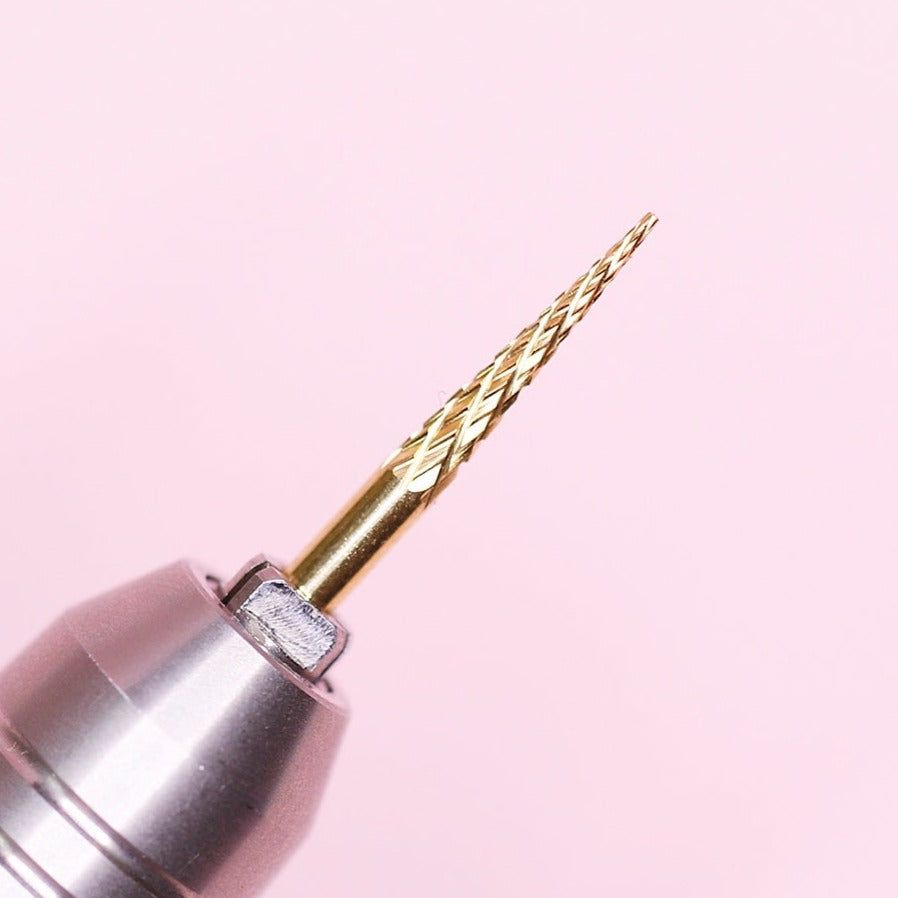
Choosing the right drill bit changes how quickly and accurately you work. A medium grit, sharp-tipped carbide bit performs specific tasks around the cuticle and under the nail—yet it isn’t the universal answer. This guide explains when the carbide pointy nail bit is the right tool and when technicians should reach for a different shape or grit.
What this carbide pointy nail bit is built to do
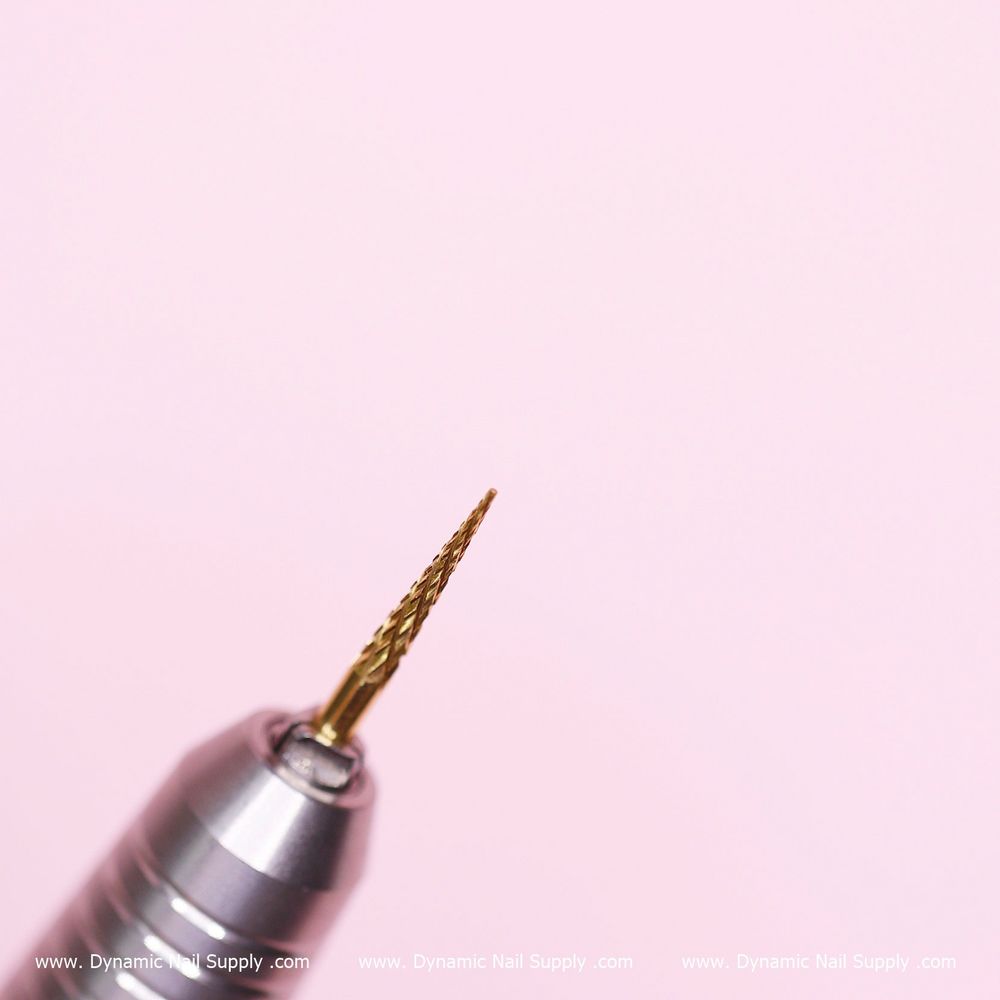
At its core this tool is a medium-grit, sharply tapered carbide bit designed for controlled, pinpoint work. It’s intended for sealing the cuticle area, creating small openings when piercing is required, and for filing under the free edge of the nail.
Key features in context
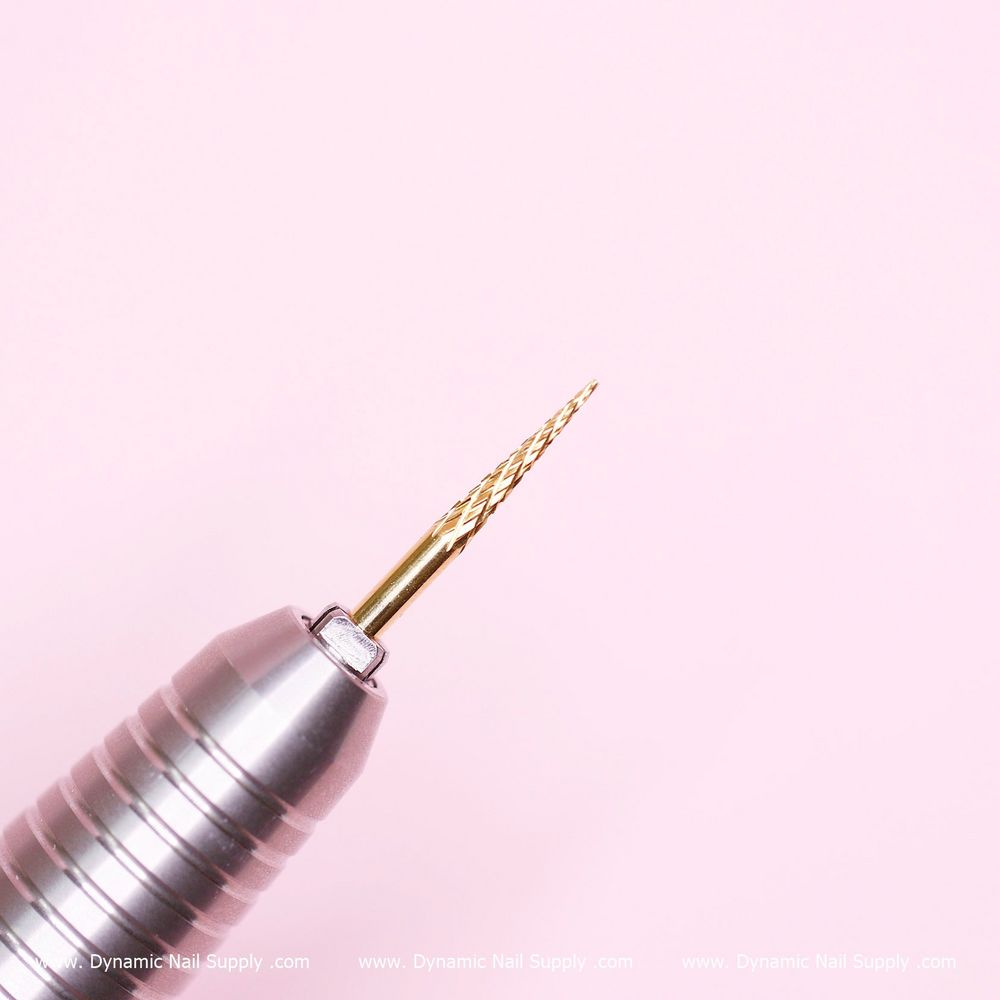
- Medium grit — balances material removal with surface finish; it won’t be as aggressive as a coarse bit but removes product faster than a fine grit.
- Pointed, sharp tip — allows precise approach to tight spots such as the perionychium (cuticle boundary) or the underside of enhancements.
- Carbide construction — provides durability appropriate for repeated professional use on acrylic and similar hard products.
When to choose this bit: practical scenarios
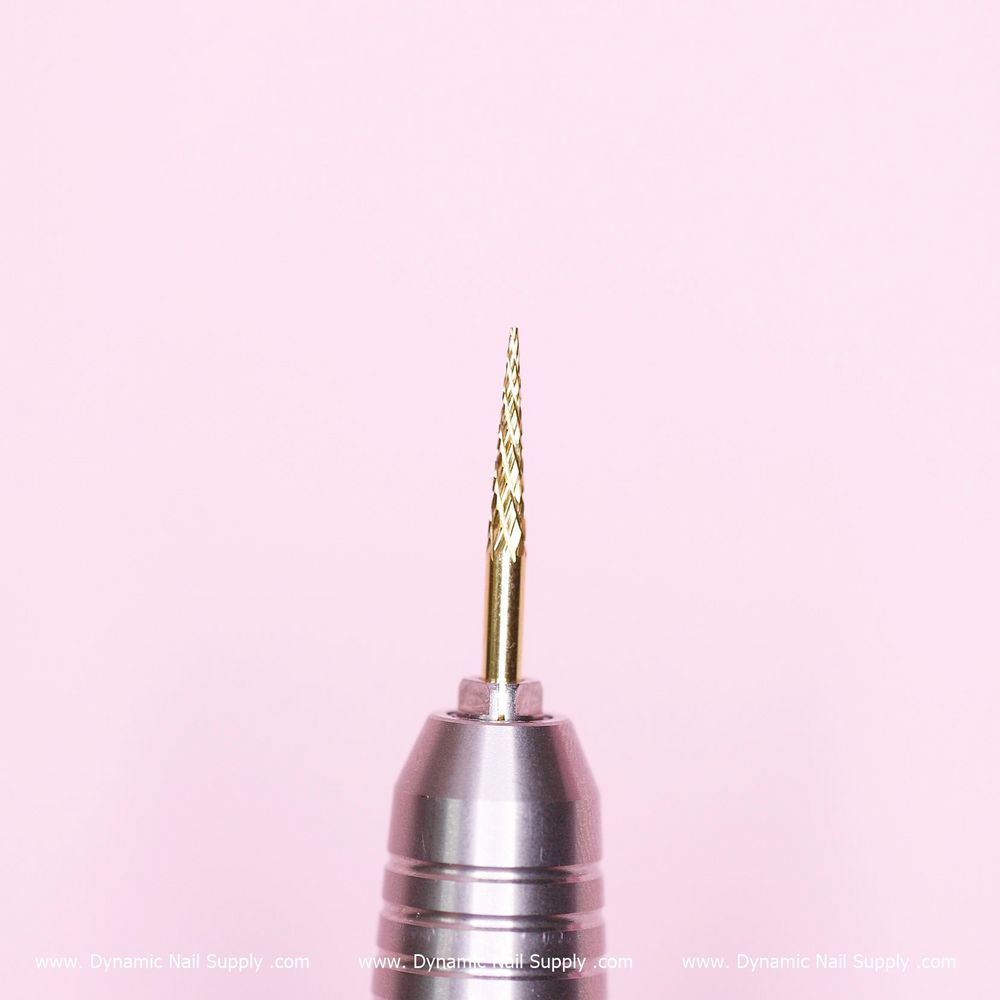
If you need tight control around the cuticle line or to cleanly remove product from beneath the nail without widening the working area, this tool is a natural choice. For example, when sealing the cuticle area after sculpting or backfilling, its sharp tip helps you refine the margin with minimal disturbance to surrounding surfaces. If a controlled perforation is required for decorative piercing or an accessory, the pointed geometry makes a neat, localized hole.
If you want to inspect or evaluate the tool first, consider adding a pointy drill bit to your kit for targeted tasks; it’s a compact, purpose-driven option many pros keep on hand.
When to consider a different bit
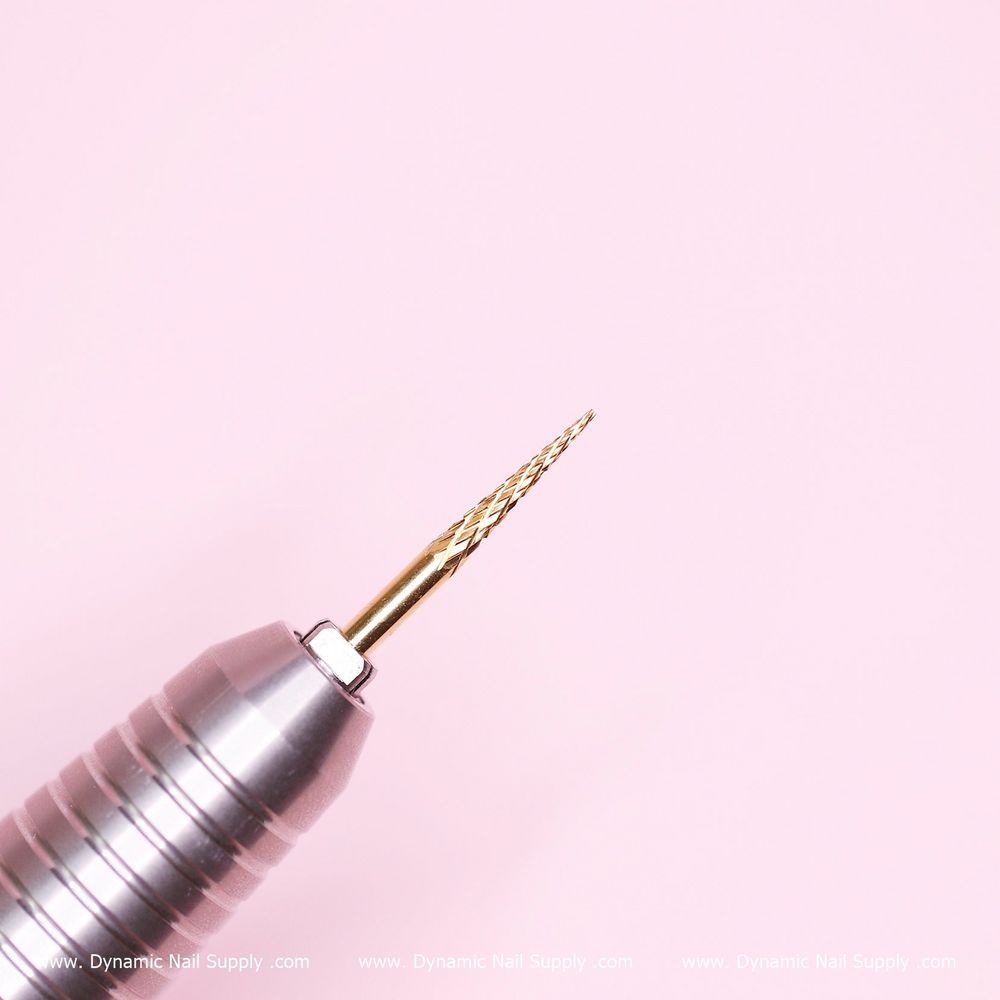
This medium-grit pointy bit is not ideal for broad shaping, heavy surface reduction, or smoothing large expanses of acrylic. If the job requires rapid product removal (bulk reduction) or a perfectly polished finish, look for coarse rotary bits for speed or fine-grit polishing bits and sanding bands for finishing. Rounded or barrel-shaped carbide bits provide safer, even cutting over large areas and reduce the risk of gouging that a sharp point might cause.
Practical usage tips
- Work with steady, light pressure—let the bit’s geometry remove material; forcing it increases heat and vibration.
- Approach narrow spaces laterally and keep the drill at low to moderate speed to maintain control near the cuticle.
- Use short, controlled passes when filing underneath the nail to avoid catching or snagging the natural nail tip.
- Test on a practice tip if you’re about to create a piercing hole so you can gauge the exact pressure and angle required.
Care and safety notes
Carbide bits are durable but require routine cleaning to keep them cutting efficiently. Remove dust and debris between uses and avoid aggressive solvents that could affect any bonded coatings. As with all pointed rotary tools, protect the skin: keep the bit moving and avoid prolonged contact with one spot to reduce heat buildup and the chance of irritation to the cuticle.
When working near the natural nail bed, prioritize client comfort and safety—stop immediately if a client reports heat, pressure, or pain.
Who benefits most from this tool
This bit is aimed at nail technicians who perform detailed enhancement work and need fine control around cuticles and under nail tips. It’s particularly useful for artists who do precise sealing after sculpting, technicians who install small piercings or embellishments, and those who regularly tidy the undersides of nails where access is tight.
Less experienced technicians or those focused primarily on fast bulk removal may prefer to build skill with broader, less aggressive shapes before using a sharply pointed carbide tip.
Price and availability note
The bit is listed at $7.49; check current listings for availability and any price updates. You may also find it sold through specialty suppliers such as Dynamic Nail Supply.
Quick checklist before you use it
- Confirm bit is securely seated in the handpiece chuck.
- Choose a low-to-moderate speed for cuticle and under-nail work.
- Work in short bursts and clear debris frequently.
- Have an alternate shape (barrel or coarse bit) ready for bulk tasks.
Conclusion: the medium-grit carbide pointy nail bit is a specialist’s tool—excellent when you need pinpoint access and a balanced cut, but not a replacement for coarse removal or fine finishing bits. Keep one handy for touch-ups and precision work, and pair it with broader bits to cover the full range of salon needs.