
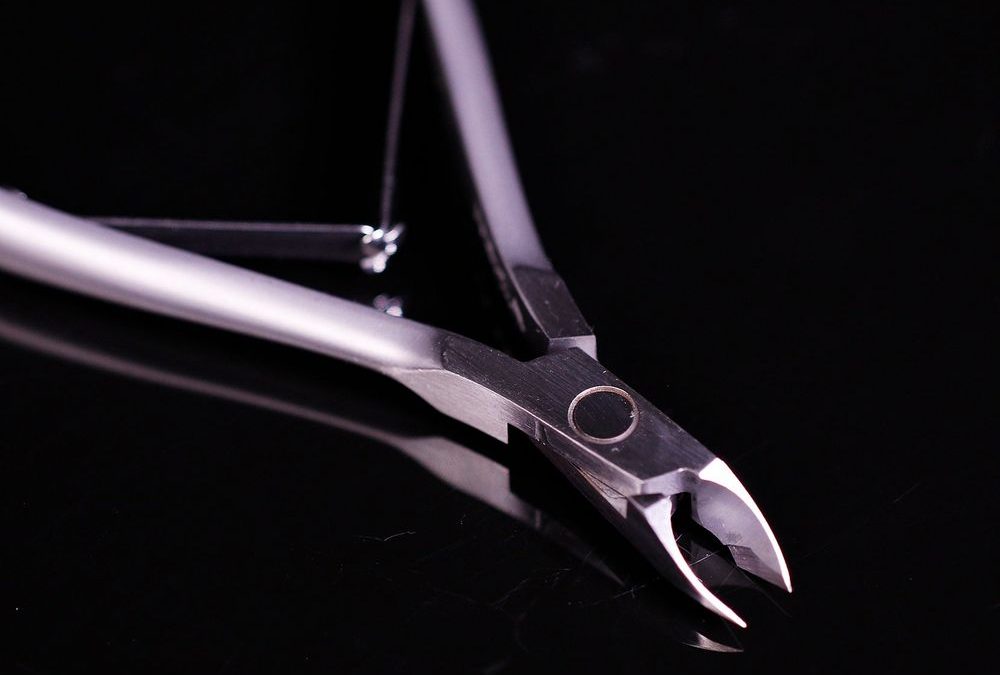
Professional stainless steel cuticle nippers with a super-fine jaw designed for precise trimming and fast, repeatable results.
- Key takeaways
- You can reduce per-client prep time by tightening steps around a single, precise tool.
- Jaw size and blade profile change what you can trim safely and quickly.
- Routine maintenance and correct grip keep cuts clean and fast.
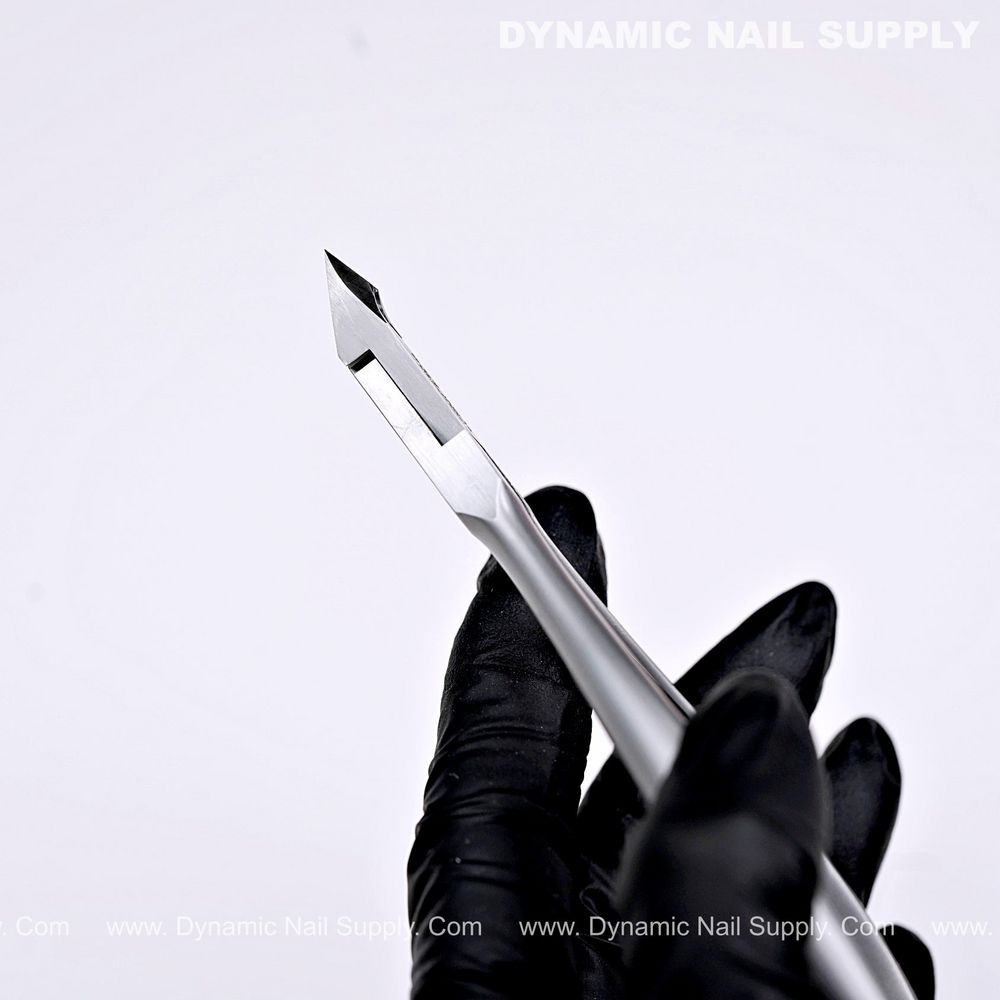
Macro of the super-fine jaw and engraved model text
How does Jaw 14 change the flow of a typical manicure?
How much time does a single efficient tool save? How you sequence soaking, push-back, and trimming defines the time you free up for polish or art. Jaw 14 gives a moderate cutting depth (5.5–6.5 mm), so you can remove thin to moderate cuticle layers in one clean motion rather than multiple passes. What does that mean for your schedule? It means fewer passes per nail and less stopping for repositioning—especially on natural and thin acrylic overlays common in standard salon services.
Which clients and services benefit most from this jaw size?
Who should you reach for with these nippers? Who should you avoid? Jaw 14 suits general manicure and many pedicure clients, acrylic maintenance, and medi/pedi work where cuticles are not extremely thick. Who needs a different jaw? Reserve wider jaws for very thick cuticles or severe ingrowns. Which salon roles use it daily? Front-desk techs handling high-volume express services and medi/pedi specialists handling routine maintenance benefit most from the middle-ground cut depth.
How do you redesign your pre-trim sequence to gain speed?
What small changes cut minutes without increasing risk? Which order trims downtime? Start with a concise three-step prep: a short soak or oil application, a precise push-back using a firm-edged pusher, then follow immediately with a single controlled cut using the super-fine jaw. Because the nippers have hand-filed blades and a smooth spring action, you can complete a clean cut in one pass if the cuticle is softened and positioned correctly. Use the tool’s ergonomic handle to maintain steady control so you avoid corrective trimming later.
What grip and motion give the fastest, safest cuts?
How should you hold the instrument to be both quick and accurate? Use a pencil-style grip close to the joint for short, controlled snips. Why short strokes? Short, decisive closures reduce tissue tugging and the need for follow-up. How many cuts per nail are typical? Aim for a single cut along the visible free edge of the cuticle on each nail; then inspect and touch up only when necessary. The smooth joint and spring reduce hand fatigue so you can keep speed consistent across a full station shift.
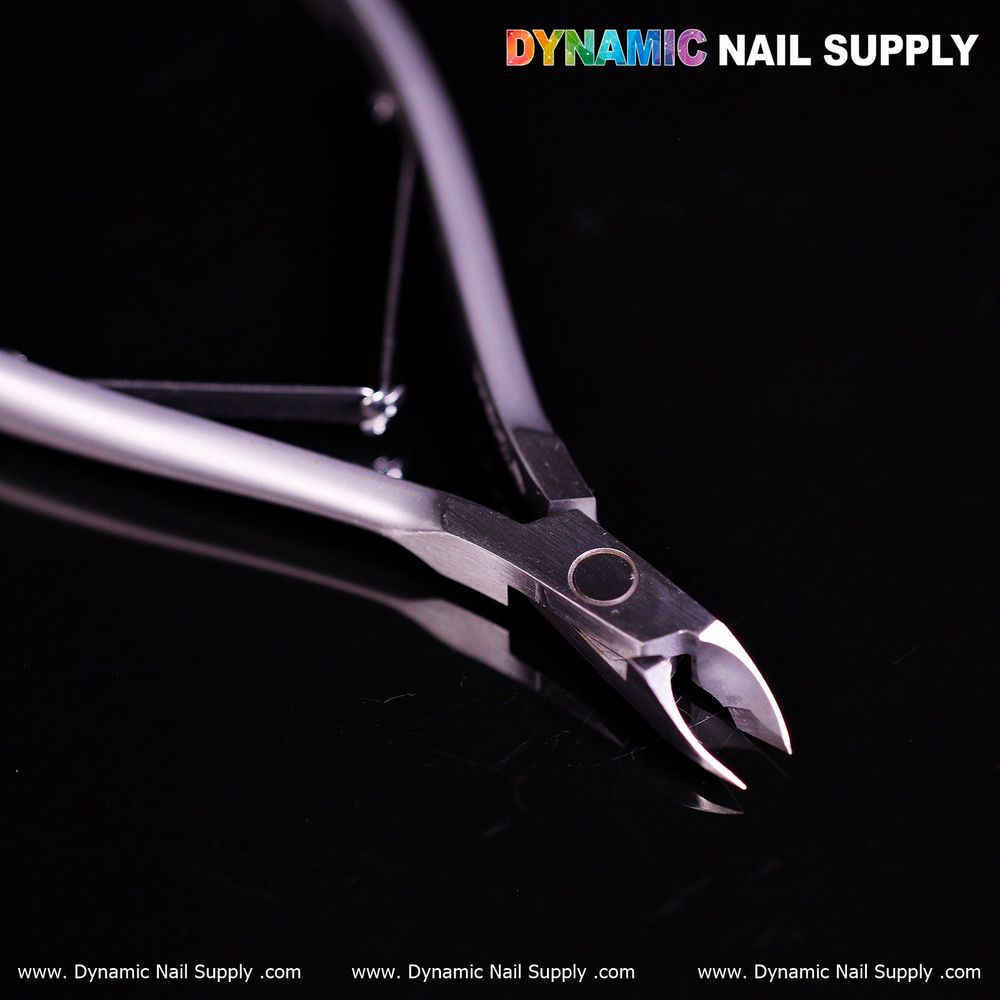
Reflective brushed steel finish and smooth spring mechanism
When do workflow adjustments risk quality or safety?
When is speed too fast? When cuticles are inflamed, overly dry, or densely overgrown, slow down. How do you decide? Visual inspection before trimming tells you whether to switch jaw sizes or postpone aggressive trimming. What safety steps must you include? Keep sterilization cycles regular and avoid aggressive cutting on compromised skin. These nippers are crafted from surgical-grade stainless steel suitable for standard sterilization; maintain your autoclave or disinfecting routine to protect clients and tools.
How does the tool’s finish and visual design affect service pace?
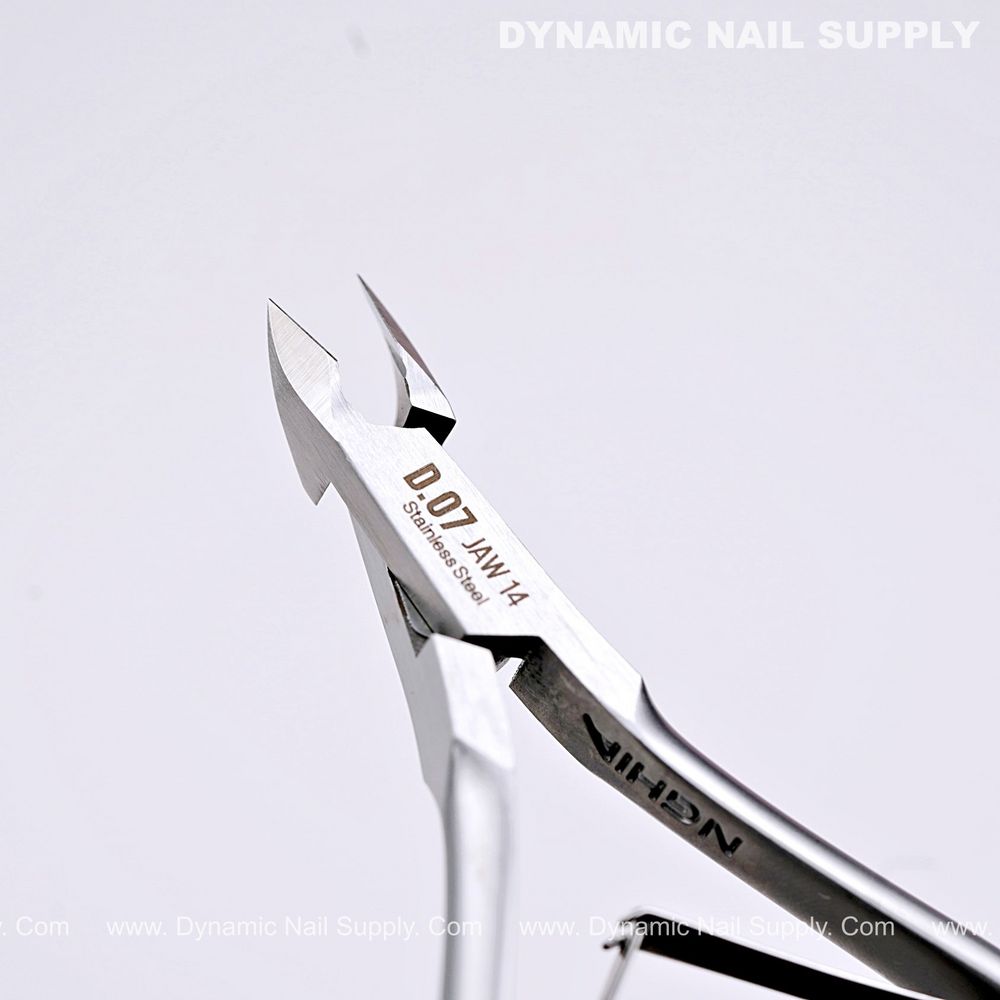
Does appearance matter for speed? Yes—easy visual cues speed decision-making. The chrome-like brushed stainless finish and the engraved model text “D.07 JAW 14” provide a clinical, low-reflective surface that makes edge alignment visible in your workstation light. What about packaging? The small green and black card on the packaged tool helps you pick the right inventory fast during rushes. Use visual consistency to train assistants: color and finish identify tool function instantly.
For a practical in-station note: integrate the nippers into your express manicure kit so technicians reach for the same tool every time, and label the tray with jaw size to avoid guesswork; D07 Jaw 14 cuticle nippers fits this role well.
What maintenance routine preserves speed and precision?
How often should you service the blades? How do you keep the spring action consistent? Wipe and disinfect after each client, oil the joint sparingly once a week under regular use, and schedule sharpening only when you notice a decline in single-pass cuts. What happens if you ignore these steps? Increased passes per nail, more hand fatigue, and slower service. A maintained pair stays fast.
Packaged tool shown on green/black identification card
How do you implement this across a busy salon team?
How should you train staff to gain minutes across multiple stations? Run short drills that focus on the single-cut mindset: prep fast, push once, snip once. How long for training? Short focused sessions over a week create habit without lost revenue. What about supply and cost? At a modest retail around $15 (prices may change), keeping multiple nippers ready lets you rotate for sterilization without breaking the schedule.
Quick reference
- Best use: General manicures, thin overlays, routine pedicures
- Grip: Pencil-style near joint for controlled short strokes
- Prep order: Soak → push-back → single controlled snip
- Care: Disinfect after each use, light oil weekly, sharpen as needed
- Visual ID: Brushed chrome finish and engraved D.07 marking